Wisconsin Industrial Asbestos
Exposure Records
Facility history, public agency records, and product documentation for workers and families faced with mesothelioma and asbestos-related disease in Wisconsin. 88 jobsite reports indexed.
Understanding Asbestos-Related Diseases
What Is Mesothelioma?
Mesothelioma is a rare cancer caused almost exclusively by asbestos exposure. It affects the mesothelium — the thin lining around the lungs (pleural), abdomen (peritoneal), or heart (pericardial). Because of a latency period of 20 to 50 years between exposure and diagnosis, many patients are diagnosed decades after their working years ended.
Who is at risk: workers in powerhouses, refineries, shipyards, manufacturing, and construction — and family members who experienced secondary exposure through work clothing.
Learn more about mesothelioma →Lung Cancer & Asbestos
Lung cancer was the first cancer to be affirmatively linked to asbestos exposure. Many other cancers have since been documented in the medical literature. Risk is multiplied substantially for smokers who were also exposed to asbestos — a synergistic effect that can increase risk far beyond either factor alone.
Unlike mesothelioma, lung cancer has many possible causes. A diagnosis combined with documented occupational asbestos exposure can still qualify for trust fund claims and litigation.
Other Diseases Linked to Asbestos
Asbestos exposure has been linked to a range of serious diseases beyond mesothelioma and lung cancer:
- Asbestosis — progressive scarring of lung tissue (pulmonary fibrosis); compensable through workers' comp and civil claims
- Pleural plaques — calcified thickening of the lung lining; not on its own a compensable injury but important medical evidence if disease progresses
- Colon cancer — documented in workers with significant exposure
- Esophageal cancer — linked to ingested asbestos fibers
Asbestosis and asbestos-related cancers may qualify for trust fund claims and civil litigation against product manufacturers.
What Are the Most Important Things To Do Right Now?
A diagnosis of mesothelioma or any asbestos-related disease can be overwhelming.
Get a clinical diagnosis — see an oncologist (or pulmonologist)
Ask your primary care physician for a referral to an oncologist — they specialize in cancer treatment and will guide the diagnostic workup — or to a pulmonologist who treats asbestos-related lung disease. An accurate diagnosis is the foundation for everything else.
Keep records of all medical visits
Keep as many records as you can from medical visits — tests, scans, pathology reports, and doctor's notes. Don't worry if you're missing some; a dedicated professional can help obtain them on your behalf.
Document your work history and exposure sites
Write down every employer, jobsite, and trade you worked in — especially before 1980. Include military service. This becomes the backbone of understanding when and where exposure occurred.
Consult a mesothelioma attorney
Wisconsin’s statute of limitations for asbestos claims is three years from diagnosis (Wis. Stat. § 893.54); wrongful-death claims have their own separate deadline. Consultations are free and an attorney can assess your specific situation without pressure or commitment — speak with an asbestos and mesothelioma attorney about Wisconsin exposure ›
Connect with a patient support community
Explore mesothelioma specialists and cancer centers serving your state and treatment options and clinical trials for peer support, treatment information, and resources at no cost. National nonprofits including the Mesothelioma Applied Research Foundation (MARF) and the Asbestos Disease Awareness Organization (ADAO) also provide support at no cost.
Do you know someone who needs to see this information?
One page, plain type, black and white — what asbestos exposure looked like in Wisconsin industry, and where to look it up. Print it and hand it to them.
Mesothelioma Treatment & Specialized Cancer Centers
Treatment outcomes for mesothelioma, asbestosis, asbestos-related lung cancer, and pleural disease differ substantially based on where care is received. High-volume programs with dedicated multidisciplinary teams have access to clinical trials, specialized surgical techniques, and pathologists who see these cases regularly.
We have verified 4 cancer centres treating mesothelioma in Wisconsin — in Madison, Milwaukee and Marshfield, compiled from public institutional sources. See the full Wisconsin mesothelioma specialist & cancer centre directory →
Dedicated Thoracic Center with the largest clinical trial program globally. Consistently ranked #1. The standard against which all mesothelioma programs are measured.
Pioneered lung-sparing surgical approaches for pleural mesothelioma. Global leader in thoracic oncology research and volume.
Home of the world's first International Mesothelioma Program (IMP). Leading EPP surgical expertise. VA-affiliated.
Elite thoracic surgery division with team-based approach to complex cases. Geographically accessible for many Wisconsin patients.
Innovative lung-sparing surgeries and a world-renowned mesothelioma program. VA-affiliated through West LA VA — relevant for military exposure.
Global leader in peritoneal mesothelioma. Pioneered and refined the Sugarbaker Procedure / HIPEC. Highly accessible from Wisconsin.
One of the largest U.S. mesothelioma programs by patient volume. HIPEC expertise for peritoneal disease.
Named for Irving Selikoff, whose research defined asbestos disease as a public health crisis. Decades of specialized research and the 9/11 first responder program.
Mesothelioma Clinical Trials — NIH ClinicalTrials.gov
Three active trials accepting new patients. Refreshed monthly from clinicaltrials.gov · updated October 2026
Listings come directly from the U.S. National Library of Medicine. This site does not screen or recommend trials — consult your treating physician.
Wisconsin Facility Types
All 88 jobsite reports →




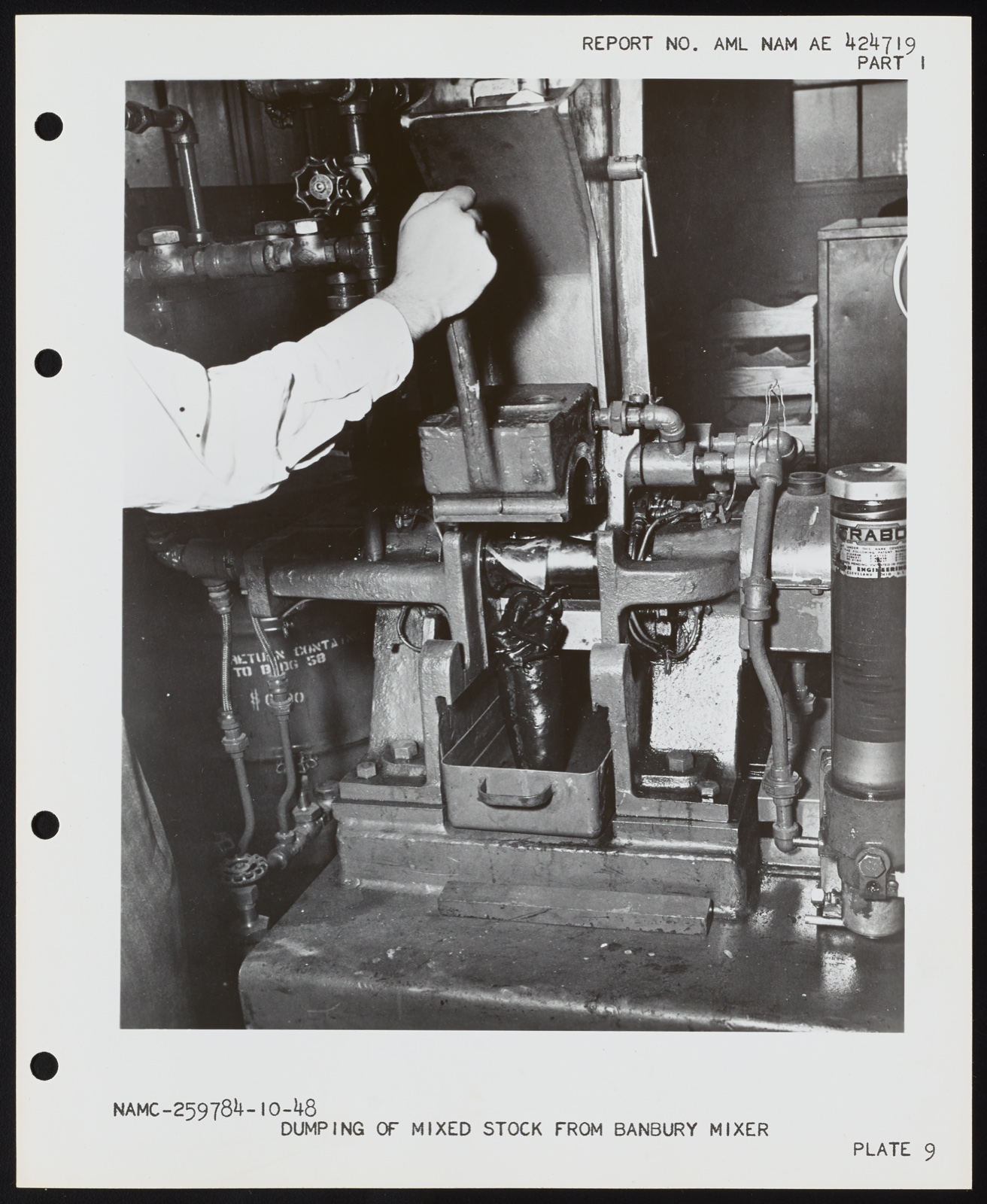
Wisconsin Asbestos Exposure Sites
View all 114 jobsite reports →Many Wisconsin workers spent careers at plants in Illinois, Michigan, and Minnesota. Asbestos exposure doesn’t stop at the state border.
Every Jobsite Page Links to the AsbestosIndex Product Crosswalk
AsbestosIndex.com documents 1,563 industrial facilities with manufacturer catalogs and product-level evidence — organized by facility type and system. When you find a Wisconsin jobsite report here, the crosswalk links directly to the products that were specified for that facility's systems.
Mesothelioma Attorney for Wisconsin Asbestos Claims
If you were diagnosed with mesothelioma, asbestosis, or another asbestos-related disease after being exposed to asbestos — or you lost a loved one to one — you and your family may have a legal claim. An experienced asbestos attorney can evaluate the case — at no cost to you.
If you were diagnosed with an asbestos-related disease, a filing deadline may already be running. You may have a legal claim now — and claims can often be pursued even if the company is out of business.
Surviving spouses and children may pursue a wrongful-death claim and asbestos-trust recovery on a loved one's behalf — a separate deadline that can run from the date of passing.
- Free case review — no obligation to hire
- No attorney fee unless a financial recovery is made
- Personal-injury and wrongful-death claims both evaluated
- Trust-fund claims and civil lawsuits pursued simultaneously
- Filing deadlines may limit the time you have — the sooner the better