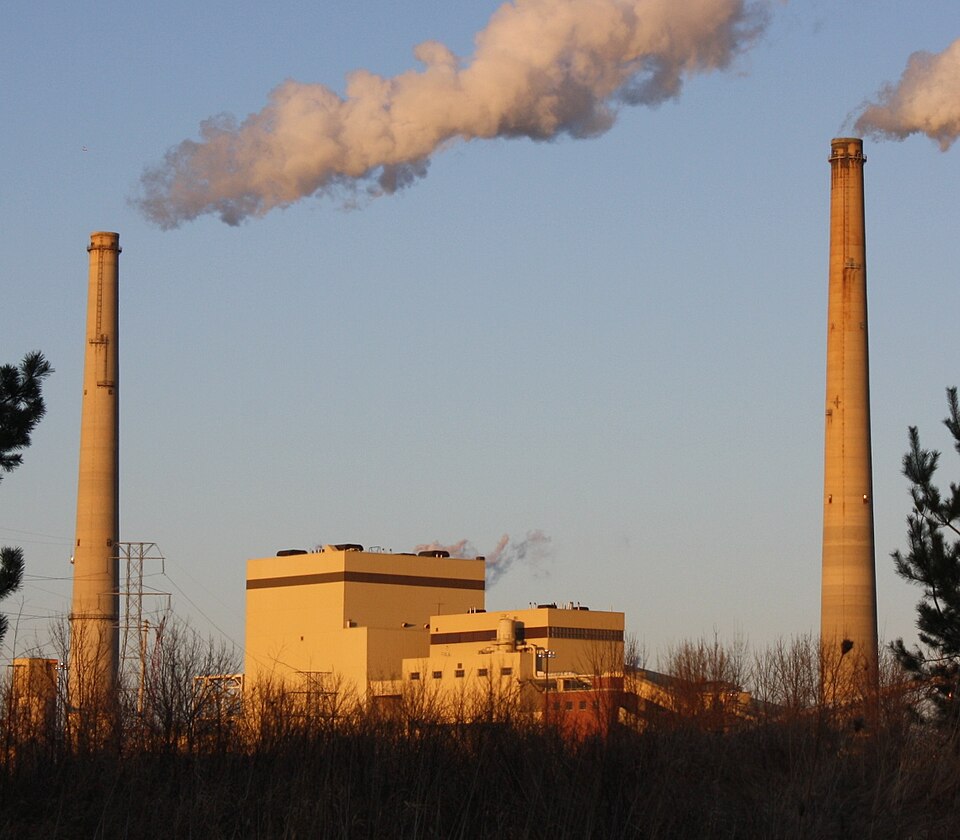
A diagnosis of mesothelioma or another asbestos-related disease is devastating, especially when it stems from a workplace exposure. If you or a loved one worked at the Edgewater Generating Station in Sheboygan, Wisconsin, and now face such a diagnosis, you need to understand the history of asbestos use at the plant and your legal options. Like many industrial facilities built and operated throughout the 20th century, the Edgewater Generating Station reportedly utilized asbestos-containing materials extensively. Workers and others present at the plant may have been exposed to hazardous asbestos fibers. This exposure is alleged to have caused debilitating diseases such as mesothelioma, lung cancer, and asbestosis. An experienced mesothelioma lawyer Wisconsin can help you navigate these complex claims.
URGENT FILING DEADLINE WARNING FOR WISCONSIN RESIDENTS: If you or a loved one has been diagnosed with an asbestos-related disease after working at the Edgewater Generating Station, it is crucial to act immediately. In Wisconsin, the statute of limitations for personal injury claims is generally three years from the date of diagnosis (Wis. Stat. § 893.54). For wrongful death claims, the deadline is also three years from the date of death (Wis. Stat. § 895.04). While asbestos trust funds may not have strict time limits, their assets can diminish over time. Do not delay; contacting an asbestos attorney quickly is essential to protect your legal rights.
Access a comprehensive list of asbestos-containing products associated with facilities like Edgewater Generating Station. Refer to the AsbestosIndex Product Crosswalk.
History of Asbestos Use and Exposure at Edgewater Generating Station
Wisconsin Public Service Corporation owns and operates the Edgewater Generating Station. Unit 1 began commercial operation in 1931, with subsequent units expanding plant capacity. A Riley Stoker boiler for Unit 4 reportedly came online in 1970. Asbestos-containing materials were reportedly incorporated into various components during construction, maintenance, and renovation of these units, particularly before the late 1970s when stricter asbestos regulations were implemented.
Asbestos was favored in industrial settings common across Wisconsin, from power plants like Edgewater to heavy manufacturing sites. It offered exceptional thermal insulation, fire resistance, and durability. These materials were reportedly used throughout the plant’s:
- Boilers
- Turbines
- Pipes
- Pumps
- Valves
- Other high-temperature equipment
Occupations and Workers Potentially Affected by Asbestos Exposure in Wisconsin
A broad spectrum of skilled tradespeople and other personnel worked at the Edgewater Generating Station and may have been exposed to asbestos. Their duties often placed them in close proximity to, or in direct contact with, asbestos-containing materials. This includes, but is not limited to, the following roles:
- Insulators (e.g., Asbestos Workers Local 19): Allegedly applied and removed insulation from pipes, boilers, and other equipment. This work, especially during removal or repair, reportedly created significant airborne asbestos dust.
- Pipefitters (e.g., Pipefitters Local 601): Allegedly installed and repaired piping systems, frequently cutting into insulated pipes, replacing gaskets, and working around other asbestos-containing components.
- Boilermakers (e.g., Boilermakers Local 107): Allegedly constructed, maintained, and repaired the plant’s large boilers, often working with boiler refractory materials and insulation that may have contained asbestos.
- Millwrights: Allegedly installed, maintained, and repaired machinery, which could involve disturbing asbestos-containing components like gaskets or brake linings.
- Electricians (e.g., IBEW Local 494): Allegedly installed and maintained electrical wiring, conduits, and control panels. Some electrical components, such as wiring insulation, panel boards, and arc chutes, reportedly contained asbestos.
- Maintenance Workers: Allegedly performed various tasks, including equipment repair, cleaning, and assisting other trades, which could have led to asbestos exposure.
- Laborers: Allegedly assisted other trades, cleaned up debris, and transported materials, potentially exposing them to asbestos dust generated by others’ work.
- Engineers and Supervisors: Those overseeing operations or inspecting equipment in areas where asbestos was disturbed may have also inhaled airborne fibers.
Individuals who did not directly handle asbestos-containing materials but worked in the vicinity of those who did may have experienced secondary exposure. Furthermore, family members of workers may have been exposed to asbestos fibers brought home on clothing, hair, or tools. If you are seeking a Wisconsin mesothelioma settlement, documenting all potential exposure sources is vital.
Asbestos-Containing Materials Allegedly Present at Edgewater Generating Station
Industrial facilities such as the Edgewater Generating Station reportedly utilized numerous types of asbestos-containing products. These may have included:
- Pipe covering and block insulation on steam pipes, hot water lines, boilers, and turbines
- Gaskets and packing for sealing connections in pipes, pumps, and valves
- Refractory materials lining boilers and furnaces
- Insulating cement for sealing gaps and insulating irregular surfaces
- Brakes and clutches in heavy machinery and vehicles
- Spray fireproofing materials on structural steel
- Transite panels for various construction purposes
- Floor tiles and mastics
- Ceiling tiles and acoustical panels
Disturbing these materials during routine maintenance, repair, demolition, or renovation activities could have released harmful asbestos fibers into the air, leading to potential inhalation by workers. For more detailed information on specific product categories and manufacturers, consult the AsbestosIndex Product Crosswalk.
Asbestos-Related Diseases and Their Latency Periods
Exposure to asbestos fibers, even in seemingly small amounts, can cause severe and often fatal diseases. These diseases may not manifest until decades after the initial exposure, with latency periods ranging from 10 to 50 years. The primary diseases associated with asbestos exposure include:
- Mesothelioma: A rare and aggressive cancer affecting the lining of the lungs (pleural), abdomen (peritoneal), or heart (pericardial). Asbestos exposure almost exclusively causes mesothelioma.
- Asbestosis: A chronic, non-cancerous lung disease characterized by scarring of the lung tissue, leading to shortness of breath, coughing, and reduced lung function.
- Lung Cancer: Asbestos exposure significantly increases the risk of developing lung cancer, particularly for individuals who also smoke.
- Other Cancers: Asbestos exposure has also been linked to an increased risk of cancers of the larynx, pharynx, stomach, colon, and rectum.
If you or a loved one worked at the Edgewater Generating Station and received a diagnosis of an asbestos-related disease, seeking legal counsel is crucial to understand your rights and potential avenues to pursue a claim.
Legal Options for Asbestos Exposure Victims in Wisconsin
Individuals diagnosed with an asbestos-related disease after working at the Edgewater Generating Station in Wisconsin may have several legal options to pursue a legal claim. These generally include:
- Personal Injury Lawsuits: Filed if diagnosed with mesothelioma, asbestosis, or other asbestos-related diseases. These lawsuits pursue a legal claim for medical expenses, lost wages, pain and suffering, and other damages. These cases often proceed in Wisconsin state courts, with common venues including the Milwaukee County Circuit Court and the Dane County Circuit Court in Madison.
- Wrongful Death Lawsuits: Filed by surviving family members of a loved one who passed away from an asbestos-related disease. These lawsuits pursue a legal claim for funeral expenses, loss of income, and emotional distress.
- Asbestos Trust Fund Claims: Many companies that manufactured asbestos-containing products or used them extensively established trust funds through bankruptcy proceedings to compensate future victims. Trust fund claims and civil lawsuits pursued simultaneously. An experienced asbestos trust fund Wisconsin attorney can guide you through this process.
In Wisconsin, the statute of limitations for personal injury claims is generally three years from the date of diagnosis under Wis. Stat. § 893.54. For wrongful death claims, the statute of limitations is also three years from the date of death under Wis. Stat. § 895.04. It is critical to act promptly to ensure your claim is filed within these strict legal deadlines. An asbestos lawsuit Wisconsin filing deadline is firm.
Contact an Experienced Asbestos Attorney Today
If you or a family member worked at the Edgewater Generating Station in Sheboygan, Wisconsin, and received an asbestos-related disease diagnosis, time is critical due to Wisconsin’s strict three-year statute of limitations. An experienced asbestos cancer lawyer Milwaukee or a dedicated toxic tort counsel can help navigate the complexities of these legal processes. They identify potential sources of exposure from the manufacturers documented on the AsbestosIndex Product Crosswalk for this facility type and pursue the legal recourse available. Unfortunately, many of the coworkers who shared shifts with you in the earlier years of your career may no longer be reachable. Time is precious.
Protect your rights and pursue your legal claim. Call today for a free consultation to discuss your case and explore your legal options.
Data Sources
Information about facility equipment, industrial materials, and occupational records referenced on this page is drawn from publicly available sources where applicable, including:
- EPA ECHO Facility Compliance Database — enforcement and compliance records for industrial facilities
- OSHA Establishment Search — federal workplace inspection history
- EIA Form 860 Plant Data — power plant equipment and ownership records (where applicable)
- Wisconsin DNR NESHAP records
- Published asbestos trial and trust fund records (publicly filed court documents)
If specific equipment or product claims in this article are sourced from a non-public database, the source is identified parenthetically within the text above.
Mesothelioma Resources for Wisconsin Workers
Power-plant and utility asbestos exposure like this is a leading cause of mesothelioma, often diagnosed decades later. If you or a family member worked here:
- Mesothelioma symptoms and how it is diagnosed
- Treatment options and the cancer centers serving Wisconsin patients
- How mesothelioma claims work for Wisconsin asbestos victims
- What asbestos thermal & boiler insulation looks like
← Back to Wisconsin Jobsite Asbestos Records
For informational purposes only. Not legal advice. No attorney-client relationship is created by reading this page. © 2026 Rights Watch Media Group LLC — Disclaimer · Privacy · Terms · Copyright