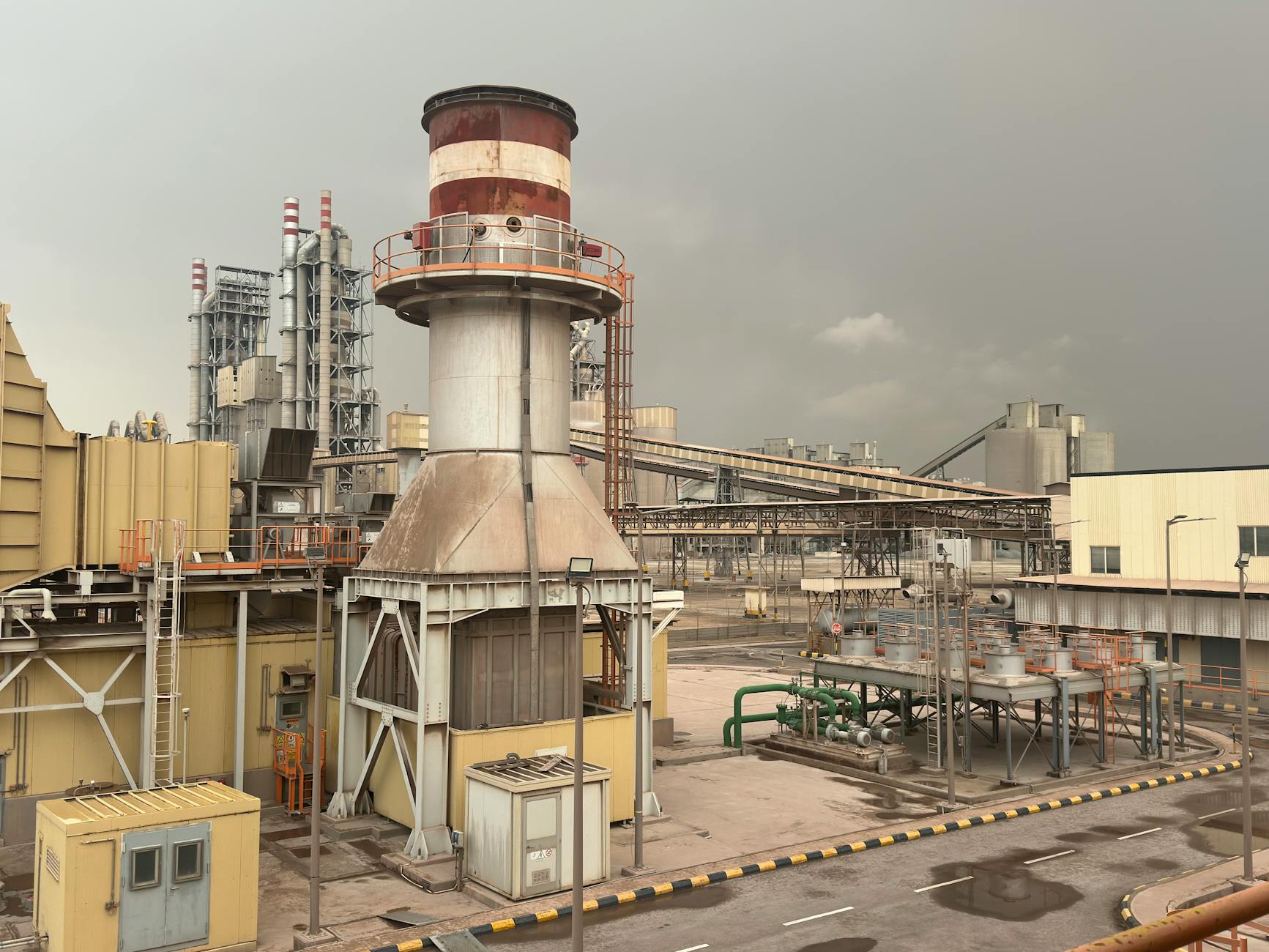
About Wisconsin Electric Pulliam Plant Green Wisconsin
History and Operations
The P.H. Pulliam Electric Generating Station was a coal-fired, steam-electric generating facility operated by Wisconsin Electric Power Company (later We Energies) along the Fox River in Green Bay, Wisconsin. The plant:
- Began operations in the mid-twentieth century and served as a primary electrical generating station for northeastern Wisconsin for many decades
- Operated as a high-temperature, high-pressure steam generation facility requiring extensive thermal insulation throughout its systems
- Underwent repeated maintenance outages and capital improvement projects that brought large numbers of skilled tradespeople — including members of Wisconsin union locals — into contact with asbestos-containing materials
- Was eventually retired as the utility industry shifted away from coal generation
Workers who rotated between We Energies facilities across the state, or who worked as contractors serving multiple sites, may have accumulated asbestos exposure across multiple Wisconsin locations.
Why Coal-Fired Power Plants Relied on Asbestos-Containing Materials
Coal-fired steam generating stations heated water to produce high-pressure steam that drove turbines connected to electrical generators. Every stage of that process involved equipment running at temperatures and pressures that demanded heavy insulation.
For most of the twentieth century, asbestos-containing products were the insulation standard across American industry. Asbestos resisted heat, flame, and chemical degradation. It had high tensile strength. It could be woven, mixed, compressed, and layered into dozens of product forms. It was cheap. It lasted.
The occupational health hazard is inseparable from the same properties that made asbestos useful: its fibrous structure breaks down into microscopic, virtually indestructible particles. Workers who cut, fitted, applied, or removed these materials inhaled fibers directly into their lungs. Those fibers do not leave. Decades later, they cause mesothelioma — an aggressive, terminal cancer of the lining of the lung or abdomen — along with asbestosis and lung cancer. The same hazard existed at Wisconsin industrial facilities across the state, from Allen-Bradley and A.O. Smith in Milwaukee to Allis-Chalmers in West Allis, Falk Corporation in Milwaukee, and Wisconsin Electric’s own generating stations including Pulliam in Green Bay.
Corporation** — once the largest asbestos products manufacturer in the United States — reportedly supplied asbestos-containing materials to industrial facilities throughout Wisconsin, including power generation facilities in the northeastern part of the state. Workers at the Pulliam Plant may have been exposed to asbestos-containing materials including:
- Thermobestos and Asbestocel brand thermal insulation products, allegedly used on boiler surfaces and steam equipment
- Asbestos-containing pipe covering, allegedly applied to steam lines throughout the facility
- Block insulation, reportedly used on boiler shells and components
- Boiler insulating cement, allegedly used to seal and finish insulated surfaces
- Gasket and packing materials for valves and flanged connections
Internal documents — entered into evidence across decades of asbestos personal injury trials, including trials in Wisconsin courts — establish that the company reportedly knew about the health hazards associated with its products long before any public disclosure. (per published trial records)
If you worked with products at Pulliam, contact a Wisconsin asbestos attorney today to evaluate your mesothelioma settlement options.
calcium silicate pipe insulation Pipe Insulation
manufactured calcium silicate pipe insulation brand pipe insulation, one of the most widely used asbestos-containing pipe covering products in American industry from the late 1940s through the early 1970s. calcium silicate pipe insulation:
- Reportedly contained chrysotile asbestos within its calcium silicate matrix
- Was sold specifically for high-temperature industrial applications — the exact conditions present at steam-generating stations like Pulliam
- May have been distributed to power plant construction and maintenance programs throughout Wisconsin, including northeastern Wisconsin facilities
- Allegedly generated significant airborne fiber concentrations when cut or fitted on-site
Internal studies uncovered in asbestos litigation reportedly showed that cutting calcium silicate pipe insulation released substantial fiber counts. (per published trial records)
was a major manufacturer of industrial boilers and steam-generating equipment. The company reportedly supplied boiler systems to Wisconsin Electric facilities, with potential equipment present at Pulliam. may have delivered boilers with asbestos-containing insulation incorporated into or applied to boiler shells, headers, and associated piping, and allegedly supplied replacement insulation components and repair materials over subsequent decades. That means both original construction workers and maintenance personnel performing boiler repairs may have been exposed to asbestos-containing materials at different points in the plant’s operating history. Claims arising from exposure to equipment have been litigated in Wisconsin courts. (per published trial records)
Technologies** supplied asbestos-containing thermal insulation products to industrial and power generation facilities throughout the Midwest, including Wisconsin. Products that may have been present at Pulliam include high-temperature pipe insulation and block products reportedly containing asbestos fibers, along with boiler insulation systems. has been the subject of asbestos personal injury litigation by Wisconsin plaintiffs and is represented in multiple asbestos bankruptcy trust funds available to Wisconsin claimants.
& Co.** manufactured asbestos-containing products used widely in power plants and industrial facilities across Wisconsin. Workers at Pulliam may have been exposed to asbestos-containing spray-applied insulation on structural steel and piping, along with insulating compounds and finishing materials. products were allegedly distributed to Wisconsin industrial facilities throughout the mid-twentieth century. The Asbestos PI Trust accepts claims from Wisconsin residents.
Corporation** produced asbestos-containing building and insulation materials distributed to industrial facilities across Wisconsin and the upper Midwest. These materials may have included pipe insulation products, gasket and sealing materials, and building components used during facility construction and renovation at Pulliam and comparable Wisconsin industrial sites.
Additional Asbestos-Containing Materials
Based on products standard in the power generation industry during the plant’s operating years — and consistent with materials documented at comparable Wisconsin utility facilities — the Pulliam Plant may have reportedly contained asbestos-containing materials in these additional categories:
- Block insulation on boiler surfaces, economizers, and air preheaters
- Pipe covering on steam, condensate, and feedwater lines throughout the plant
- Insulating cement used as finish coats and repair materials on insulated equipment
- Asbestos cloth and tape at expansion joints and insulation edges
- Boiler gaskets and valve packing, including products from manufacturers such as gaskets and packing
- Floor tile and adhesives — mid-century vinyl asbestos tile products reportedly contained chrysotile and were commonly installed in Wisconsin industrial and commercial facilities during this era
- Refractory materials used in furnace and boiler construction
- Electrical insulation in certain cable and panel applications
For decades, workers at Wisconsin Electric Power Company’s P.H. Pulliam Electric Generating Station in Green Bay may have been exposed to asbestos-containing materials used throughout coal-fired power generation operations. Coal-fired plants relied on asbestos-containing insulation, pipe covering, and gasket products to manage extreme heat and pressure — materials that may have put workers at serious risk of mesothelioma and asbestosis decades after their time at the facility.
If you worked at the Pulliam Plant during construction, operation, or maintenance — or if a family member who worked there has been diagnosed with mesothelioma — this page covers the facility’s asbestos exposure history, the health risks involved, and your legal options. Many former Wisconsin workers and their families have resolved Wisconsin mesothelioma claims through litigation and asbestos trust fund filings without ever going to trial.
Wisconsin’s three-year filing deadline under Wis. Stat. § 893.54 begins on the date of mesothelioma diagnosis. If diagnosis has already been made, the clock is already running. Call an asbestos cancer lawyer now — not next week.
General Equipment at Wisconsin Electric Pulliam Plant Green Wisconsin
The equipment below represents the systems and infrastructure documented or typically present at this facility during the era when asbestos-containing materials were specified in industrial construction. This is general facility-equipment reference — not a legal attribution of any specific product, manufacturer, or exposure event to this facility. Material-category and manufacturer information is addressed in the AsbestosIndex Product Crosswalk linked under the records table below.
Documented Asbestos Evidence — Wisconsin
The records below are verified, state-documented asbestos removals at this facility. Each entry represents a regulated abatement project where the Wisconsin Department of Natural Resources (Wisconsin DNR) was notified under federal NESHAP rules, the work was logged, and the asbestos-containing material was confirmed and removed under regulated conditions. These are not allegations or estimates — they are paper records tying documented asbestos-containing material to this specific site.
No Wisconsin DNR NESHAP abatement notifications have been identified for this facility in current public records. Per the framing above, absence of state-agency documentation should not be read as absence of asbestos — only as absence of a formal, regulated abatement event meeting reporting thresholds. Workers who recall encountering pipe insulation, block insulation, gaskets, or other asbestos-era construction materials at this facility may still have viable claims regardless of whether a state record exists.
Material Categories in Documented Records
The materials documented above (and similar asbestos-containing materials commonly encountered in records of this type) appear in the AsbestosIndex catalog with historical manufacturer and trust-fund information. Click a category to view manufacturers historically associated with that material:
Who May Have Been Exposed at Wisconsin Electric Pulliam Plant Green Wisconsin
Asbestos-related disease at industrial facilities cuts across trades. At a large coal-fired power plant undergoing construction, operation, and periodic maintenance, workers in numerous crafts may have encountered asbestos-containing materials — both directly and through bystander exposure to work performed by others in the same space. Many of these workers were members of Wisconsin union locals whose members worked throughout northeastern Wisconsin and at comparable facilities statewide.
If you worked in any of the trades described below and have been diagnosed with mesothelioma or asbestosis, Wisconsin’s three-year filing deadline under Wis. Stat. § 893.54 is running from the date of that diagnosis. Call a Wisconsin asbestos attorney today.
Insulators (Heat and Frost Insulators) — Highest Risk
Insulation workers carry the highest documented rates of asbestos-related disease of any single trade in American industry. Members of Asbestos Workers Local 19 — the insulation workers’ union representing northeastern Wisconsin and the Green Bay area — may have worked at the Pulliam Plant and may have reportedly:
- Applied and maintained asbestos-containing insulation on boiler shells, steam lines, feedwater heaters, and turbine casings
- Cut block insulation to fit boiler contours, allegedly generating heavy airborne dust concentrations
- Wrapped pipe sections with asbestos-containing covering such as calcium silicate pipe insulation products
- Troweled insulating cement over finished surfaces
- Performed insulation removal during maintenance outages — particularly hazardous work, as older, friable asbestos-containing materials may have released large quantities of fibers when disturbed
Insulators face elevated mesothelioma and asbestosis risk that does not manifest until decades after the original exposure. Local 19 members who worked at Pulliam and at other Wisconsin utility and industrial facilities during the plant’s operating years should contact a Wisconsin mesothelioma attorney immediately upon diagnosis.
Pipefitters and Steamfitters
Pipefitters and steamfitters at coal-fired power plants worked directly alongside insulation work and on piping systems that were themselves covered with asbestos-containing materials. Members of UA Steamfitters Local 601 and
For informational purposes only. Not legal advice. No attorney-client relationship is created by reading this page. © 2026 Rights Watch Media Group LLC — Disclaimer · Privacy · Terms · Copyright
Wisconsin — Filing Deadline & Next Steps
Wisconsin law gives mesothelioma and asbestos-disease claimants 3 years from the date of medical diagnosis to file a personal-injury lawsuit (Wis. Stat. § 893.54). For wrongful-death claims after an asbestos-related death, the filing window is 3 years from the date of death (Wis. Stat. § 893.54). The two deadlines run on separate tracks — preserving one does not extend the other.
The personal-injury clock runs from diagnosis, not from exposure. Mesothelioma latency is typically 20 to 50 years, so workers exposed in the 1950s–1980s are being diagnosed today.
Practical first steps
- Document what you remember. Pay stubs, W-2s, union cards, photographs, coworker names, and dates of employment. The WorkChain widget on this page can save a copy you can email yourself.
- Preserve medical records. Pathology reports, biopsy results, imaging, and pulmonary-function tests are central to both civil claims and trust-fund filings.
- Identify household members. Spouses who laundered work clothing and children of plant workers are eligible for secondary-exposure claims when diagnosed with an asbestos-related disease.
- Speak with an asbestos attorney with Wisconsin experience. The first conversation is free and confidential. Asbestos trust-fund claims and civil claims run on different tracks — both can be pursued in parallel.
Asbestos-Related Diseases — Wisconsin
Asbestos fiber exposure can cause several specific diseases that typically appear decades after the original exposure. The latency period — the gap between exposure and diagnosis — usually runs 20 to 50 years. That's why workers exposed in the 1960s, 1970s, and 1980s are receiving diagnoses today.
Mesothelioma
A rare, aggressive cancer that affects the lining of the lungs (pleural mesothelioma), abdomen (peritoneal), or heart (pericardial). Mesothelioma is almost exclusively caused by asbestos exposure, which is why a mesothelioma diagnosis often points directly to historical workplace exposure. Average latency from first exposure to diagnosis is 30-50 years.
Asbestosis
A chronic, non-cancerous scarring of lung tissue caused by inhaled asbestos fibers. Asbestosis causes progressive shortness of breath, persistent cough, and reduced lung function. It does not improve with treatment, and it is a recognized basis for a claim under most trust schedules and civil claims.
Lung Cancer
Asbestos exposure significantly increases the risk of lung cancer, particularly when combined with a history of smoking. Asbestos-related lung cancer is compensable under the same trust schedules and civil claim avenues as mesothelioma.
Other Recognized Diseases
Pleural plaques, pleural thickening, laryngeal cancer, ovarian cancer, and certain gastrointestinal cancers are also recognized as asbestos-related under various trust schedules and case-law authorities, though eligibility and proof requirements vary by claim type.
If you have any of these diagnoses and you worked at this facility, lived with someone who did, or were exposed in any documented capacity, you may have a claim worth pursuing. Speak with an attorney before assuming you don't qualify.
Data Sources — Wisconsin
Information about facility equipment, industrial materials, and occupational records referenced on this page is drawn from publicly available sources where applicable, including:
- EPA ECHO Facility Compliance Database — enforcement and compliance records for industrial facilities
- OSHA Establishment Search — federal workplace inspection history
- EIA Form 860 Plant Data — power-plant equipment and ownership records (where applicable)
- Wisconsin Department of Natural Resources NESHAP asbestos abatement notification records
- Published asbestos trial and trust fund records (publicly filed court documents)
- AsbestosIndex Product & Manufacturer Crosswalk — historical asbestos-containing product schedules linked to manufacturers
If specific equipment or product claims in this article are sourced from a non-public database, the source is identified parenthetically within the text above.